
How Car Modifications Affect Insurance
Adding a turbocharger, lowering your suspension, or slapping on custom wheels might make your car stand out—but did you know these changes can seriously impact your insurance premiums? Many drivers don’t realize that car modifications affect insurance in ways that go far beyond aesthetics. Whether you’re tuning for performance, upgrading safety features, or personalizing your ride, insurers see modified vehicles as higher risk. This article dives deep into exactly how and why your aftermarket upgrades could be driving up your policy costs—or even getting you denied coverage altogether.
Why Insurers Care About Car Modifications
Insurance companies assess risk based on data, statistics, and actuarial models. When you modify your vehicle, you’re altering the very factors those models rely on—speed potential, repair costs, theft likelihood, and accident severity. Even seemingly harmless changes like tinted windows or aftermarket stereos can raise red flags.
For example, a cold air intake or ECU remap increases engine output, which statistically correlates with higher speeds and more severe crashes. Similarly, flashy body kits or loud exhausts may attract attention from thieves or law enforcement, both of which influence underwriting decisions.
Insurers aren’t trying to stifle your passion for cars—they’re managing financial exposure. Modified vehicles often cost more to repair, take longer to fix due to specialty parts, and are more likely to be involved in claims. That’s why transparency is key: failing to disclose modifications can lead to denied claims or policy cancellation.
Types of Modifications That Impact Insurance Rates
Not all mods are created equal in the eyes of an insurer. Some are viewed as neutral or even beneficial, while others trigger immediate rate hikes. Understanding this spectrum helps you make informed decisions before bolting on that new spoiler.
Performance Enhancements
These are the biggest red flags for insurers. Upgrades like turbochargers, superchargers, nitrous systems, or engine swaps significantly increase horsepower and torque. Higher performance = higher risk of speeding, loss of control, or aggressive driving—all factors that correlate with claims frequency and severity.
Exterior and Body Modifications
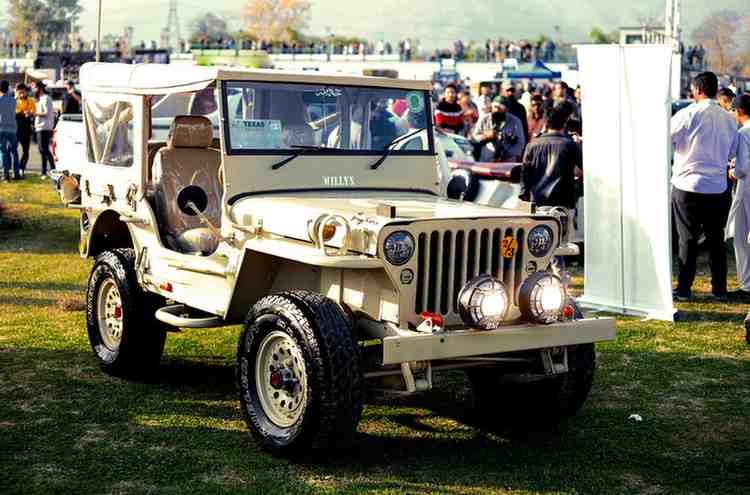
Lowered suspensions, wide-body kits, custom paint jobs, and aftermarket bumpers change your car’s aerodynamics, visibility, and structural integrity. These can affect handling and increase the chance of damage in minor collisions. Plus, unique bodywork often requires expensive, hard-to-source parts for repairs.
Interior and Electronics
High-end sound systems, custom dashboards, or added infotainment screens increase your vehicle’s value—and its appeal to thieves. Even non-performance interior upgrades can raise your premium if they substantially increase the car’s replacement cost.
Safety and Functional Upgrades
On the flip side, some modifications may actually lower your risk profile. Installing advanced driver-assistance systems (ADAS), better brakes, or high-performance tires can improve safety. Some insurers offer discounts for these, though you’ll need documentation and approval.
How Insurance Companies Evaluate Modified Vehicles
When you apply for coverage or renew your policy, insurers use several methods to assess modified cars. Most rely on declarations—you’re legally required to disclose any alterations. But they also use VIN decoding, claims history, and even third-party databases that track vehicle modifications.
If you’ve made changes but didn’t report them, an adjuster might discover them during a claim inspection. At that point, the insurer could argue misrepresentation, potentially voiding your policy. Worse, if the modification contributed to the accident (e.g., faulty suspension causing a rollover), your claim might be denied entirely.
Specialty insurers exist for heavily modified or classic cars, but they often require detailed documentation—photos, receipts, dyno reports—and may limit mileage or usage. Standard insurers typically cap modification allowances; exceeding them means shopping elsewhere.
Real-World Examples: How Mods Changed Premiums
Consider two identical Honda Civics—one stock, one with a full track build. The modified version has a built engine, coilover suspension, roll cage, and racing seats. While it’s safer on a track, it’s far riskier on public roads. An insurer might charge 40–70% more—or refuse coverage outright unless it’s classified as a track-only vehicle.
Another example: a Ford Mustang with aftermarket wheels and a cold air intake. The owner disclosed the changes, and the insurer accepted them—but only after verifying the parts were street-legal and professionally installed. The premium increased by 15%, mostly due to the higher theft risk of expensive wheels.
Conversely, a Toyota Prius fitted with adaptive cruise control and blind-spot monitoring saw a 5% discount from one insurer that rewards proactive safety tech. The key? Proving the upgrades were OEM-grade or certified by recognized bodies.
Disclosing Modifications: What You Must Know
Honesty isn’t just the best policy—it’s a legal requirement in most jurisdictions. Failing to disclose modifications can invalidate your insurance contract. If you’re caught lying (even unintentionally), you could face fines, policy cancellation, or denial of future coverage.
When disclosing, provide as much detail as possible:
- Type of modification (e.g., “K&N cold air intake”)
- Professional installation receipt
- Whether it’s street-legal or track-only
- Impact on vehicle value or performance
Keep records! Photos, invoices, and certification documents protect you if disputes arise. Some insurers even require pre-approval before certain mods are installed.
Can You Reduce Insurance Costs on a Modified Car?
Yes—but it takes strategy. Start by shopping with insurers that specialize in modified or performance vehicles. Companies like Hagerty, Grundy, or American Modern understand enthusiast culture and offer tailored policies.
Consider usage-based insurance (UBI) programs. If you drive responsibly and log low mileage, telematics data can prove your risk level is lower than assumed. Similarly, joining a recognized car club or taking advanced driving courses may qualify you for discounts.
Finally, avoid over-modifying. A few tasteful, documented upgrades are easier to insure than a full race build. And always ask: “Will this mod increase my risk more than its enjoyment value?”
Key Takeaways
- Car modifications affect insurance by increasing perceived risk, repair costs, and theft potential.
- Performance and cosmetic upgrades typically raise premiums; safety enhancements may lower them.
- Always disclose modifications—failure to do so can void your policy.
- Specialty insurers often provide better terms for heavily modified vehicles.
- Documentation, professional installation, and responsible driving can mitigate rate increases.
FAQ
Do I have to tell my insurer about minor mods like seat covers or floor mats?
Generally, no—these are considered accessories, not modifications. However, if they significantly increase your car’s value (e.g., custom leather interiors), disclosure may be wise. When in doubt, check your policy’s definition of “modification.”
Will my insurance cover damage to my aftermarket parts?
Only if your policy includes agreed value or stated component coverage. Standard policies usually cover only OEM-equivalent parts. For full protection, consider an agreed-value policy that lists your mods and their worth.
Can I insure a car modified for off-road use on public roads?
It depends. If the mods comply with local road-legal standards (lights, emissions, brakes), some insurers will cover it. However, extreme lifts, oversized tires, or removed bumpers often violate regulations and void coverage. Always verify legality before insuring.
Final Thoughts
Modifying your car is a form of self-expression—but it comes with financial responsibilities. Car modifications affect insurance in measurable, often costly ways. By understanding how insurers evaluate risk, disclosing changes honestly, and choosing the right policy, you can enjoy your customized ride without surprise bills or coverage gaps.
Before you bolt on that next upgrade, ask yourself: Is it worth the potential premium hike? With smart planning and transparent communication, you can keep both your car and your coverage running smoothly.