Does Insurance Cover Hit and Run Accidents?
If you’ve been involved in a hit and run accident, your first thought is likely: “Will my insurance cover this?” The short answer is—yes, in most cases, your auto insurance can cover damages from a hit and run, but it depends on your policy type and coverage limits. Understanding how your insurance responds to these stressful situations can save you time, money, and frustration.
Hit and run accidents are more common than many drivers realize. According to the AAA Foundation for Traffic Safety, nearly one in five vehicle collisions involves a fleeing driver. When the at-fault party disappears, victims often feel helpless—but your insurance policy may offer critical protection. This guide breaks down exactly how insurance handles hit and run claims, what coverage types apply, and what steps you should take immediately after the incident.
What Is a Hit and Run Accident?
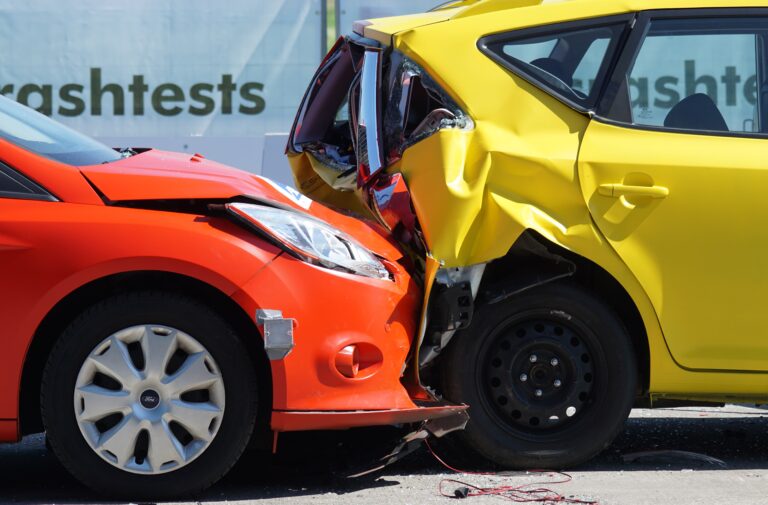
A hit and run occurs when a driver involved in a collision leaves the scene without stopping to exchange information or report the incident to authorities. This applies whether the crash happens on a highway, in a parking lot, or even if your parked car is damaged and the responsible driver flees.
These incidents are not only emotionally distressing but also legally serious. In most states, leaving the scene of an accident is a criminal offense—especially if there’s injury or significant property damage. However, when the fleeing driver isn’t identified, the burden of repair often falls on the victim—unless their insurance steps in.
That’s where understanding your policy becomes essential. Not all coverage types treat hit and runs the same way, and knowing the difference can mean the difference between paying out of pocket and getting full repairs covered.
Does Insurance Cover Hit and Run Accidents? The Role of Your Policy
Yes, insurance can cover hit and run accidents—but only if you have the right types of coverage. The two primary coverages that apply are uninsured motorist property damage (UMPD) and collision coverage. Let’s look at how each works.
Uninsured Motorist Property Damage (UMPD)
UMPD is specifically designed for situations where the at-fault driver is unidentified or uninsured—exactly like a hit and run. If you carry UMPD, your insurer will pay for repairs to your vehicle, up to your policy limit, even if the other driver is never found.
Coverage amounts vary by state. Some states require a minimum UMPD limit (e.g., $2,500 or $5,000), while others allow higher optional limits. Keep in mind that UMPD often has a deductible, typically ranging from $100 to $500, which you’ll need to pay before the insurer covers the rest.
For example, if your car sustains $3,000 in damage from a hit and run and you have $5,000 UMPD with a $250 deductible, your insurer will pay $2,750 after you cover the deductible.
Collision Coverage
If you don’t have UMPD—or if your UMPD limit is too low—your collision coverage may still save the day. Collision pays for damage to your vehicle regardless of who is at fault, including hit and run incidents.
However, collision coverage usually comes with a higher deductible (often $500 or $1,000), which means you’ll pay more out of pocket. Still, it’s a reliable backup when the other driver can’t be identified.
Important note: If the fleeing driver is later found and proven at fault, your insurer may seek reimbursement from them through a process called subrogation. If successful, you may get your deductible refunded.
What If You Don’t Have UMPD or Collision Coverage?
If you only carry liability insurance—the minimum required in most states—you’re not covered for your own vehicle damage in a hit and run. Liability only pays for injuries or damage you cause to others, not your own losses.
In this case, you’ll likely have to pay for repairs yourself unless the at-fault driver is identified and held accountable. This is why many financial advisors recommend adding UMPD or collision coverage, especially in high-traffic areas where hit and runs are more frequent.
Some drivers opt for comprehensive coverage instead, thinking it covers hit and runs. But comprehensive only applies to non-collision events like theft, vandalism, or weather damage—not moving vehicle collisions. So it won’t help in a typical hit and run scenario.
Steps to Take Immediately After a Hit and Run
Time is critical after a hit and run. The faster you act, the better your chances of a smooth insurance claim and potential identification of the fleeing driver.
1. Ensure Safety First
Move to a safe location if possible. Turn on hazard lights and check for injuries. Call 911 immediately if anyone is hurt or if the damage is severe.
2. Call the Police
Even if the other driver is gone, you must report the accident to local law enforcement. A police report creates an official record, which is often required by your insurer to process a hit and run claim.
Provide as much detail as possible: vehicle color, make, model, license plate (even partial), direction of travel, and any distinguishing features like dents or stickers.
3. Gather Evidence
Use your phone to take photos of the scene, your vehicle’s damage, skid marks, and any debris. Look for surveillance cameras nearby—stores, traffic lights, or homes—that might have captured the incident.
If there were witnesses, get their contact information. Their statements can support your claim and help identify the fleeing driver.
4. Notify Your Insurance Company
Contact your insurer as soon as possible—most require prompt reporting, often within 24 to 72 hours. Provide the police report number, photos, and any witness details.
Be honest and thorough. Misrepresenting facts can lead to claim denial. Your insurer will assign an adjuster to investigate and determine coverage eligibility.
How Insurance Companies Investigate Hit and Run Claims
Insurers take hit and run claims seriously but also scrutinize them closely to prevent fraud. Expect a detailed review process.
The adjuster will verify the police report, assess damage photos, and may inspect your vehicle. They’ll also check your policy to confirm you have UMPD or collision coverage.
In some cases, insurers use databases and traffic camera footage to help identify the fleeing driver. If found, they may pursue reimbursement, which could benefit you through a deductible refund.
Be prepared to answer questions about the accident timeline, your location, and any prior damage to your vehicle. Honesty and cooperation speed up the process.
State-by-State Variations in Hit and Run Coverage
Insurance rules vary by state, and so do hit and run protections. Some states require UMPD coverage, while others treat it as optional.
| State | UMPD Required? | Notes |
|---|---|---|
| California | No | UMPD optional; collision often used instead |
| New York | Yes | Minimum $25,000 UMPD required |
| Florida | No | No-fault state; PIP covers injuries, but UMPD or collision needed for vehicle damage |
| Texas | No | UMPD optional; widely recommended due to high uninsured driver rates |
| Illinois | Yes | UMPD required with minimum $20,000 coverage |
Always check your state’s Department of Insurance website or consult your agent to understand local requirements and recommendations.
Can You Be Denied Coverage for a Hit and Run?
While most legitimate hit and run claims are approved, insurers can deny coverage under certain conditions.
- Late reporting: Failing to notify your insurer within the required timeframe (usually 24–72 hours).
- No police report: Most insurers won’t process a claim without an official report.
- Policy exclusions: Some policies exclude coverage if the vehicle was used for ridesharing or commercial purposes at the time.
- Suspicion of fraud: If the insurer suspects you staged the accident, they may deny the claim and investigate further.
To avoid denial, act quickly, document everything, and cooperate fully with both police and your insurer.
Tips to Protect Yourself from Hit and Run Risks
While you can’t control other drivers’ actions, you can reduce your risk and improve your protection.
- Install a dashcam: A front-and-rear camera can capture license plates and vehicle details, increasing the chance of identifying a fleeing driver.
- Park in well-lit, monitored areas: Reduce the risk of hit and runs in parking lots or on quiet streets.
- Review your policy annually: Ensure you have adequate UMPD or collision coverage based on your vehicle’s value and local risks.
- Consider roadside assistance: Some plans include towing and emergency support, which can be helpful after an accident.
Proactive measures not only protect your vehicle but also give you peace of mind on the road.
Key Takeaways
- Insurance can cover hit and run accidents if you have uninsured motorist property damage (UMPD) or collision coverage.
- UMPD is specifically designed for unidentified or uninsured drivers and is required in some states.
- Collision coverage also applies but typically has a higher deductible.
- Liability-only policies do not cover your own vehicle damage in a hit and run.
- Always report the incident to police and your insurer immediately.
- Gather evidence, including photos, witness info, and surveillance footage.
- State laws vary—check your local requirements for UMPD and other coverages.
- Dashcams and safe parking habits can reduce your risk and support claims.
Frequently Asked Questions
Will my insurance rates go up after a hit and run claim?
Generally, no—if you’re not at fault and the other driver is unidentified, your rates typically won’t increase. However, this can vary by insurer and state. Some companies may still adjust premiums based on claim frequency or risk assessment.
What if the hit and run driver is found later?
If the fleeing driver is identified and proven at fault, your insurer may recover costs from them. In that case, you could receive a refund of your deductible. Always inform your insurer if new information emerges.
Can I sue the hit and run driver if they’re found?
Yes, if the driver is located and held liable, you may have the right to sue for damages beyond what insurance covers, such as pain and suffering or diminished vehicle value. Consult a personal injury attorney to explore your options.
Final Thoughts
Being involved in a hit and run is a stressful and frustrating experience—but you’re not without options. With the right insurance coverage, you can recover financially and get back on the road quickly. The key is understanding your policy, acting fast, and documenting everything.
Don’t wait until it’s too late. Review your auto insurance today to ensure you’re protected against hit and run accidents. A few minutes of checking your coverage could save you thousands in unexpected repair costs.
Remember: Does insurance cover hit and run accidents? In most cases, yes—but only if you’re prepared. Stay informed, stay covered, and drive with confidence.