
What Is Uninsured Motorist Coverage?
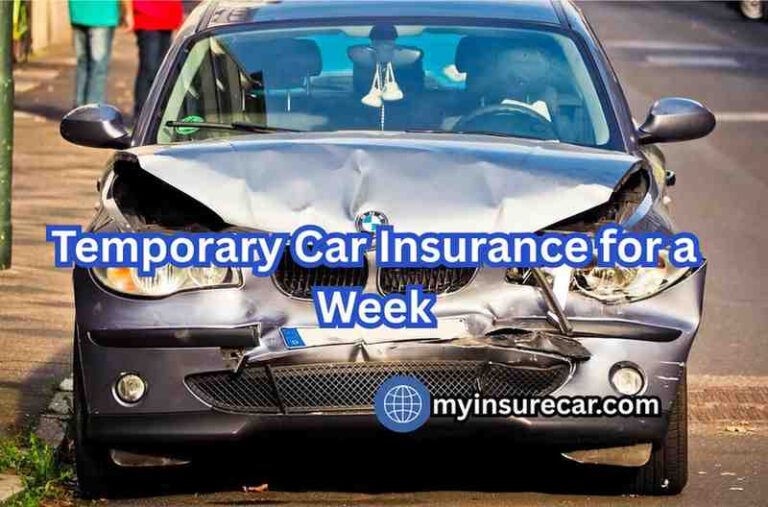
Imagine you’re driving home after work when another car runs a red light and slams into you. The damage is significant, and you’re injured. You exchange insurance information—only to discover the other driver has no insurance at all. This is where uninsured motorist coverage becomes your financial lifeline. It’s a crucial part of your auto insurance policy designed to protect you when the at-fault driver lacks adequate or any insurance.
Uninsured motorist (UM) coverage isn’t just a backup plan—it’s a smart, proactive layer of protection that shields you from unexpected costs and legal headaches. Whether the other driver flees the scene (a hit-and-run) or simply never had insurance, this coverage steps in to cover medical bills, lost wages, and vehicle repairs. In many states, it’s even required by law. Understanding how it works can mean the difference between a manageable recovery and a financial disaster.
Why Uninsured Motorist Coverage Matters More Than You Think
Despite laws requiring drivers to carry auto insurance, millions of motorists on the road today are uninsured. According to the Insurance Information Institute, nearly 12% of drivers in the U.S. operate vehicles without valid insurance. That’s one in eight drivers you could encounter during your daily commute. The risk isn’t theoretical—it’s real and growing in certain regions.
Without uninsured motorist coverage, you’re left footing the bill for damages caused by someone else’s negligence. Medical expenses, car repairs, and lost income can quickly spiral into tens of thousands of dollars. Even if you sue the uninsured driver, they likely won’t have the assets to pay a judgment. That’s why UM coverage isn’t optional for responsible drivers—it’s essential.
This type of protection also applies in hit-and-run accidents, where the at-fault driver leaves the scene and cannot be identified. In these cases, your UM policy can cover your injuries and property damage as if the fleeing driver were uninsured. It’s a critical safety net that many policyholders overlook until it’s too late.
How Uninsured Motorist Coverage Works
Uninsured motorist coverage typically comes in two main forms: uninsured motorist bodily injury (UMBI) and uninsured motorist property damage (UMPD). Each serves a distinct purpose and covers different types of losses.
UMBI pays for medical expenses, lost wages, pain and suffering, and other injury-related costs when you or your passengers are hurt by an uninsured driver. It applies regardless of who was at fault, as long as the other driver is uninsured and legally liable.
UMPD, on the other hand, covers damage to your vehicle and sometimes personal property inside it. However, not all states offer UMPD, and coverage limits may be lower than UMBI. In some cases, UMPD is replaced by collision coverage, which you’d use regardless of fault.
When an accident occurs, your insurance company investigates to confirm the other driver is uninsured. Once verified, your UM policy kicks in up to the limits you selected. For example, if you have UM coverage of $100,000 per person and $300,000 per accident, your medical bills up to $100,000 will be covered for each injured person.
What Counts as an Uninsured Driver?
An uninsured driver isn’t just someone with no policy. The definition can include:
- Drivers whose insurance has lapsed or been canceled
- Drivers whose policy limits are lower than your UM deductible
- Hit-and-run drivers who cannot be identified
- Drivers whose insurer denies coverage or becomes insolvent
In some states, underinsured motorist (UIM) coverage is bundled with UM, but they’re not the same. UIM applies when the at-fault driver has insurance, but their limits are too low to cover your full damages. UM is strictly for those with no insurance at all.
State Laws and Requirements for Uninsured Motorist Coverage
Auto insurance laws vary significantly by state, and so do the rules around uninsured motorist coverage. In 20 states plus Washington, D.C., UM coverage is mandatory. These include high-risk areas like New York, Illinois, and California, where uninsured driver rates are above the national average.
In states where UM is optional, insurers are usually required to offer it, and you must sign a waiver to decline it. However, many drivers skip it to save on premiums—only to regret it later. Even in states without mandates, experts strongly recommend adding UM coverage to your policy.
Some states also have specific rules about how UM claims are processed. For example, in “no-fault” states like Florida and Michigan, your own personal injury protection (PIP) covers initial medical costs, but UM can step in for severe injuries that exceed PIP limits.
It’s important to review your state’s insurance department website or consult with a licensed agent to understand your local requirements. Failing to carry required coverage can result in fines, license suspension, or even legal liability in certain situations.
Real-Life Scenarios: When Uninsured Motorist Coverage Saves the Day
Let’s look at a few real-world examples to see how UM coverage makes a difference:
Scenario 1: You’re rear-ended at a stoplight by a driver who flees the scene. Police are unable to locate the vehicle. Because it’s a hit-and-run, your uninsured motorist bodily injury coverage pays for your $18,000 in medical bills and $3,000 in physical therapy—even though the other driver was never found.
Scenario 2: A teenager with a suspended license crashes into your parked car, causing $7,000 in damage. The family has no insurance. Your UMPD coverage (if included) or collision coverage with UM protection repairs your vehicle without requiring you to pay a deductible.
Scenario 3: You’re injured in a multi-car pileup. One driver is uninsured, and another has minimal coverage. Your UM policy covers the gap between what the underinsured driver’s policy pays and your total medical expenses, ensuring you’re not left with out-of-pocket costs.
These examples show that UM coverage isn’t just for rare events—it’s a practical tool for everyday protection. Accidents happen, and when they do, you want to know your insurance has your back.
Uninsured vs. Underinsured Motorist Coverage: What’s the Difference?
Many people confuse uninsured motorist (UM) coverage with underinsured motorist (UIM) coverage. While they sound similar, they serve different purposes and apply in different situations.
Uninsured motorist coverage applies when the at-fault driver has no insurance at all. It’s your first line of defense when the other party is completely unprotected.
Underinsured motorist coverage kicks in when the at-fault driver has insurance, but their policy limits are too low to cover your full damages. For example, if they have a $25,000 liability limit but your medical bills total $75,000, UIM can cover the remaining $50,000—up to your policy’s limit.
In many cases, insurers offer UM and UIM as a combined package, often called “UM/UIM coverage.” This dual protection ensures you’re covered whether the other driver has no insurance or insufficient insurance. It’s a smart choice for drivers in high-risk areas or those with significant assets to protect.
Some states require UIM separately from UM, while others allow them to be stacked or combined. Always check your policy details to understand what’s included and whether you need to adjust your limits.
How Much Uninsured Motorist Coverage Should You Carry?
Choosing the right amount of UM coverage depends on your personal risk tolerance, financial situation, and state requirements. While state minimums may be as low as $25,000 per person, this is rarely enough to cover serious injuries.
Financial experts recommend carrying UM limits that match or exceed your liability coverage. For example, if you have $100,000/$300,000 liability coverage, consider the same for UM. This ensures you’re protected if you’re sued or if you need to file a UM claim.
High-net-worth individuals or those with significant savings should consider even higher limits or an umbrella policy. A single serious accident could result in a lawsuit that exceeds standard policy limits, putting your assets at risk.
Keep in mind that increasing your UM coverage typically adds only a small amount to your premium—often $20 to $50 per year for substantial additional protection. Given the potential cost of medical bills and lost income, it’s one of the best insurance investments you can make.
Filing a Claim: What to Expect
If you’re involved in an accident with an uninsured driver, the claims process begins just like any other auto claim. Here’s what typically happens:
- Call the police and file a report, especially in hit-and-run cases.
- Exchange information with the other driver, if possible.
- Notify your insurance company as soon as possible.
- Provide documentation: medical records, repair estimates, witness statements.
- Your insurer investigates to confirm the other driver is uninsured.
- If approved, your UM claim is processed and benefits are paid.
The process can take several weeks, especially if the other driver disputes fault or if medical treatment is ongoing. In some cases, your insurer may require an independent medical exam or arbitration.
It’s important to cooperate fully with your insurance company and keep detailed records. Delays or incomplete information can slow down your claim. If you feel your claim is being unfairly denied or delayed, you may need to consult a personal injury attorney.
Common Misconceptions About Uninsured Motorist Coverage
Despite its importance, many myths surround uninsured motorist coverage. Let’s clear up some of the most common misunderstandings:
Myth 1: “I have health insurance, so I don’t need UM coverage.”
While health insurance covers medical bills, it doesn’t pay for lost wages, pain and suffering, or vehicle repairs. UM coverage fills these gaps and protects your income and assets.
Myth 2: “UM coverage is too expensive.”
In reality, UM coverage is one of the most affordable add-ons to your policy. For the price of a few cups of coffee per month, you gain significant financial protection.
Myth 3: “Only reckless drivers need UM coverage.”
Accidents happen to everyone—even the most cautious drivers. UM coverage protects you from the actions of others, not your own behavior.
Myth 4: “I can just sue the uninsured driver.”
Most uninsured drivers lack the assets to pay a judgment. Even if you win in court, collecting damages is often impossible. UM coverage ensures you’re compensated regardless.
Understanding these truths helps you make informed decisions about your insurance needs.
Key Takeaways
- Uninsured motorist coverage protects you when the at-fault driver has no insurance or flees the scene.
- It covers medical bills, lost wages, pain and suffering, and sometimes vehicle repairs.
- UM is required in 20 states and highly recommended everywhere else.
- It’s different from underinsured motorist (UIM) coverage, which applies when the other driver’s insurance is insufficient.
- Carry UM limits that match your liability coverage for full protection.
- Filing a UM claim involves police reports, documentation, and insurer verification.
- Despite myths, UM coverage is affordable and essential for all drivers.
Frequently Asked Questions
Is uninsured motorist coverage the same as collision coverage?
No. Collision coverage pays for damage to your vehicle regardless of fault, but only if you have it on your policy. Uninsured motorist property damage (UMPD) specifically covers damage caused by an uninsured driver. In many cases, collision coverage is used instead of UMPD, especially if you have a low deductible.
Can I use uninsured motorist coverage if I’m at fault?
Generally, no. UM coverage only applies when the other driver is at fault and uninsured. If you’re at fault, your liability insurance covers the other party’s damages, and your collision or comprehensive coverage (if you have it) covers your own vehicle.
What happens if the uninsured driver is later found?
If the driver is identified and found to have insurance, your UM claim may be reclassified. Your insurer could subrogate—meaning they pursue reimbursement from the other driver’s insurance company. If the driver remains uninsured, your UM coverage continues to apply as originally processed.
Final Thoughts
Uninsured motorist coverage is more than just a line on your insurance policy—it’s a vital shield against the financial risks of sharing the road with uninsured drivers. With millions of motorists driving without coverage, the odds of encountering one are higher than most people realize.
By adding UM coverage, you’re not just protecting your car—you’re safeguarding your health, income, and peace of mind. It’s a small investment that can prevent a major financial crisis. Whether you live in a state that requires it or not, this coverage is a smart, responsible choice for every driver.
Don’t wait until it’s too late. Review your auto insurance policy today and make sure you have adequate uninsured motorist protection. Your future self will thank you.